Menu

Lemon water for weight loss: 4 ways drinking warm lemon water on an empty stomach helps you burn belly fat


Amazing ways drinking warm lemon water on an empty stomach helps you burn belly fat&nbsp | &nbspPhoto Credit:&nbspThinkstock


New Delhi: Lemon water is believed to offer a wealth of health benefits. This refreshing drink is claimed to have a clear effect on weight loss. Drinking warm lemon water first thing in the morning on an empty stomach is thought to improve digestion, boost metabolism and helps in maintaining the Ph balance of the body. Lemon water can be actually beneficial for overall health by cleansing internal waste and removing toxins from the system.

Just like any other foods, lemon water is not a magic potion for melting that stubborn belly fat. Perhaps, it may be the calorie-free water than the lemon that helps people shed those extra pounds. The good thing about lemon water is that it is rich in antioxidants that can help reduce the risk of certain cancers. The high vitamin C content may help boost your immunity and enhance iron absorption. Read - Weight loss diet: The 5 best Keto supplements for burning belly fat and reducing overall body weight

How does lemon water help with weight loss?


Low in calorie: First of all, lemon water is a very low-calorie beverage and can be consumed either hot or cold. Replacing high-calorie beverages with lemon water is an excellent way to cut calories and boost weight loss.

Boosts metabolism: Secondly, the consumption of lemon water has been shown to boost metabolism as it enhances mitochondrial function and induces thermogenesis, a metabolic process in which calories are burned to produce heat. Mitochondria are a type of organelle found in cells that help generate energy for the body. This, in turn, may lead to subsequent weight loss. Read - Weight loss and crash diets: Beware, yo-yo dieting can give you belly fat - use these 6 tips to lose weight

Reduces cravings: The pectin fibre found in lemon can also reduce cravings, which may help promote weight loss. Studies have found that drinking lemon water can increase satiety and fullness, which is an effective way to reduce calorie intake.

Keeps you hydrated: Drinking lemon water that is packed with essential nutrients can help you stay hydrated, which is a critical part of leading a healthy lifestyle. Staying well-hydrated may reduce water retention and promote fat loss.

Hence, evidence suggests that low-calorie lemon water could help you lose weight due to its potential effects on metabolism, satiety and hydration. You would want to make this nutrient-dense and low-calorie beverage as part of your daily diet to enhance weight loss and improve health.


, https://www.timesnownews.com/health/article/lemon-water-for-weight-loss-4-ways-drinking-warm-lemon-water-on-an-empty-stomach-helps-you-burn-belly-fat/296427 http://weightless.site/lemon-water-for-weight-loss-4-ways-drinking-warm-lemon-water-on-an-empty-stomach-helps-you-burn-belly-fat/
0

Here's Exactly How Long You Need to Diet to Lose Weight—and Keep It Off


Finally, science has an answer to the question that consumes every person trying to achieve and maintain a healthy weight: How long do I have to diet to see lasting results?


quick weight loss program, what can i do to lose weight fast, help me lose weight fast, lose weight fast and easy, what to do to lose weight fast, help lose weight fast, quick weight loss tricks, lose weight very fast, lose weight fast and safe, diet and weight loss, how to lose your weight, lose weight really fast, what's the best way to lose weight fast,  how to lose weight safely, lose your weight, fast effective weight loss, healthy way to lose weight fast, extreme weight loss methods, quickest way to lose weight fast,what can you take to lose weight fast, how to really lose weight, diet tips for fast weight loss, diet tips for fast weight loss, fastest weight loss method, need to lose weight quickly, gotti/Shutterstock

As anyone who has tried to lose weight knows, strict diets often don’t work as promised. But the secret to success might be simpler than you think. Just try sticking it out for a year, according to a recent study published in the International Journal of Obesity.

Researchers from the University of Copenhagen spent nearly two years studying the ways that weight loss affects our bodies. The trouble with most restrictive diets, they say, is that they usually lead to a surge in hunger-causing hormones. “It’s a perfectly natural method to preserve life—if we don’t eat, we die,” Signe Sorensen Torekov, PhD, associate professor of biomedical sciences at the University of Copenhagen, told BBC Radio 4. “That’s why this hunger sensation is so strong.” If you’re starting a fitness program, be sure to follow these 12 workout rules for beginners.

But when those hunger hormones tempt you into bad eating habits, they can also cause the most well-intentioned weight-loss plans to backfire. Could there be a trick to keeping the pounds off for good? To find out, the researchers assigned 20 obese people to a strict, low-calorie diet for eight weeks, followed by a 12-month weight-maintenance program. During that period, participants regularly met with a clinical dietitian and discussed tips on lifestyle changes and diet-calendar tracking. Read about 50 weight-loss breakthroughs your doctor wishes you knew.

The research team collected blood samples from the participants three times during the process: before they started to lose weight, after the eight weeks of dieting, and one last time after the 12 months on the weight-maintenance program. Overall, the participants lost 13 percent of their body weight on average. But here is the best part: By the end of the 12 months, blood samples showed that their bodies were producing less of the hunger-causing hormone ghrelin and more of a hormone called GLP-1, which suppresses appetite. Try these 42 fast, simple weight-loss tips.

“Most studies show when you lose a lot of weight, then your body fights fiercely against it,” Torekov told Radio 4. “But we actually found if you are able to keep your weight down for this longer period, then it seems to adapt to this new set point.” In other words, dieting for one year allows your body to get used to its new weight, which stops your cravings and helps you maintain the weight loss.

For the best weight-loss results, experts recommend finding a healthy, balanced lifestyle that you can follow for the long term. Get started by trying these 50 ways to lose weight without a lick of exercise.


, https://www.rd.com/health/diet-weight-loss/how-long-you-need-to-diet-to-lose-weight-and-keep-it-off/ http://weightless.site/heres-exactly-how-long-you-need-to-diet-to-lose-weight-and-keep-it-off/
0

The 2 Things Readers Need to Know to Lose Weight


quick weight loss program, what can i do to lose weight fast, help me lose weight fast, lose weight fast and easy, what to do to lose weight fast, help lose weight fast, quick weight loss tricks, lose weight very fast, lose weight fast and safe, diet and weight loss, how to lose your weight, lose weight really fast, what's the best way to lose weight fast,  how to lose weight safely, lose your weight, fast effective weight loss, healthy way to lose weight fast, extreme weight loss methods, quickest way to lose weight fast,what can you take to lose weight fast, how to really lose weight, diet tips for fast weight loss, diet tips for fast weight loss, fastest weight loss method, need to lose weight quickly,

Serious readers often sit in the house or outdoors for hours at a time and not are not getting enough exercise. The same goes with authors who sit at their computer all day trying to write the next great American novel. Even if you are attempting exercising or yoga, sometimes we all struggle with a flabby belly? Have you done all the crunches and sit-ups you can and still aren’t seeing any results? You’ll be surprised how many other people are going through this. Your flabby belly might be so mortifying that you’ve given up wearing bikinis and low-rise jeans altogether. Now, they reside in the dark recesses of your wardrobe.

Don’t dump your routines just yet simply because they don’t give you the cool abdominal muscles you want. The real culprit just might be your diet. If you want to go from fat abs to fab abs, then you should pay more attention to what you eat. On the one hand, you could take a complete meal replacement, such as the Ideal Shake weight-loss solution, which will give you all the nutrients you need for a healthy weight-loss plan. However, you can also do it by watching what you eat. Here are two tips you can implement to lose weight fast and get those killer six-pack abs.

1. Eat More Fiber


quick weight loss program, what can i do to lose weight fast, help me lose weight fast, lose weight fast and easy, what to do to lose weight fast, help lose weight fast, quick weight loss tricks, lose weight very fast, lose weight fast and safe, diet and weight loss, how to lose your weight, lose weight really fast, what's the best way to lose weight fast,  how to lose weight safely, lose your weight, fast effective weight loss, healthy way to lose weight fast, extreme weight loss methods, quickest way to lose weight fast,what can you take to lose weight fast, how to really lose weight, diet tips for fast weight loss, diet tips for fast weight loss, fastest weight loss method, need to lose weight quickly,

One of the reasons women are getting flabbier bellies is that they simply aren’t taking enough fiber. You need a minimum of 25 grams of fiber every day to get firm and beautiful fiber. Fiber is the part of fruits, vegetables, and whole grain foods that you can’t digest. You’re probably wondering how something you can’t digest will help you get great abs.

For starters, fiber is filling. Foods that are high in fiber will supply plenty of bulk to your foods and make you feel fuller for longer. In fact, a low-fat diet will only work if it’s also a high-fiber diet. That means your diet should contain plenty of whole grains, vegetables, and fruits, which will give you less fat, fewer calories and plenty of fiber. It has also been shown in studies that people who eat more vegetables in their diet tend to eat a minimum of 100 calories fewer in a day, and they don’t even have to make up for this calorie deficit later.

The other benefit you get from fiber is that it takes you longer to chew. Your mouth will be more involved in the chewing of high-fiber foods, and you will overall feel more satisfied with that meal. This is because you tend to feel fuller faster if you spend more time chewing your food.

You should be careful to add fiber to your food slowly and consistently when you’re starting out in order to prevent problems with gas. Soluble fiber is also known to lower the levels of cholesterol in your body.

2. With Carbs, It’s more about Quality than Quantity


quick weight loss program, what can i do to lose weight fast, help me lose weight fast, lose weight fast and easy, what to do to lose weight fast, help lose weight fast, quick weight loss tricks, lose weight very fast, lose weight fast and safe, diet and weight loss, how to lose your weight, lose weight really fast, what's the best way to lose weight fast,  how to lose weight safely, lose your weight, fast effective weight loss, healthy way to lose weight fast, extreme weight loss methods, quickest way to lose weight fast,what can you take to lose weight fast, how to really lose weight, diet tips for fast weight loss, diet tips for fast weight loss, fastest weight loss method, need to lose weight quickly,

If you’re looking to get flatter abs, then between 45 percent and 65 percent of your diet, which translates to between 200 and 300 grams for a 1,800 calorie diet, of your daily calories should be carbs. The key here is to maintain balance. Don’t take too little in carbs, such as below 45 percent, and don’t take too much in carbs, like more than 65 percent. That will lead to bloating due to water retention and make you gain weight temporarily. The problem is that that weight shows up in your midsection.

When you consume carbohydrates, your body breaks them down into glucose. Some of that glucose will be metabolized by your body. Whatever isn’t used will be stored in the form of a compound known as glycogen. Glycogen is that it carries three times its weight in water. If you eat a diet that is extremely high in carbs, you will store all the excess water you drink. That means you will likely experience bloating and gain temporary water weight. That’s why people who go on a low-carb diet lose weight so quickly at first. What they’re losing is all the extra water weight. So, to avoid all of that, here are some tips you can use to your advantage:

  • Eat as many fruits and vegetables as you can. These will promote the least amount of bloat since they have lots of water and very few calories and carbohydrates for their volume.

  • Stay away from foods that are high in carbs and empty calories like cakes, candy and cookies. These tend to contain lots of carbs and sodium, which bring about bloating and weight gain. They’re also low in fiber and other important nutrients.

  • Eat a balanced diet which is healthy. If you want the best results, eat between three and five 4-ounce servings of vegetables, between two and four 4-ounce servings of fruit and about a cup of whole grains for every meal.


quick weight loss program, what can i do to lose weight fast, help me lose weight fast, lose weight fast and easy, what to do to lose weight fast, help lose weight fast, quick weight loss tricks, lose weight very fast, lose weight fast and safe, diet and weight loss, how to lose your weight, lose weight really fast, what's the best way to lose weight fast,  how to lose weight safely, lose your weight, fast effective weight loss, healthy way to lose weight fast, extreme weight loss methods, quickest way to lose weight fast,what can you take to lose weight fast, how to really lose weight, diet tips for fast weight loss, diet tips for fast weight loss, fastest weight loss method, need to lose weight quickly,


Markus lives in San Francisco, California and is the video game and audio expert on Good e-Reader! He has a huge interest in new e-readers and tablets, and gaming.


, https://goodereader.com/blog/technology/the-2-things-readers-need-to-know-to-lose-weight http://weightless.site/the-2-things-readers-need-to-know-to-lose-weight/
0

Princess Eugenie Is Reportedly Stealing Weight-Loss Tricks From Prince Harry Before Her Wedding

Princess Eugenie, 28, is set to marry fiancé Jack Brooksbank on October 12 (this Friday, y'all! another royal wedding!), and has reportedly been adhering to a tight diet and fitness regimen as she prepares to walk down the aisle. She's even allegedly using the same “diet guru” that helped Prince Harry lose weight before his wedding, according to the Daily Mail.


The bride-to-be has reportedly been losing weight using nutritionist Gabriela Peacock's slimming supplements—sold on her website GP Nutrition. The supplements boast names like Clean Me, Slim Me, and Calm Me, and a one-month supply of each costs upwards of $100.


The website's bestseller is a "gel sachet" called Slim Me, meant to be taken 30 minutes before eating. The company's website says the gel includes ingredients like glucomannan to help suppress hunger and chromium to reduce cravings and balance blood sugar. Green coffee bean and green tea extracts are also added for a caffeine boost, according to the supplements' website.


Advertisement - Continue Reading Below


While it's not clear how much weight Eugenie has lost so far, Harry is said to have lost half a stone (about seven pounds) while using the regimen for his wedding day.


So let's talk about those supplements...are they effective?


Vandana R. Sheth, R.D.N., a certified diabetes educator and spokesperson for the Academy of Nutrition and Dietetics, says they might help with weight loss in the short term, but don't count on 'em for lasting results.


"Any type of cleanse or supplement promoting quick weight loss is going to be deficient in key nutrients and cannot be sustainable or healthy long term," she says, adding that any type of weight-loss supplement could be harmful to people with chronic health conditions, like diabetes.


Still, at face value, this supplement doesn't sound terrible: "While I am not familiar with the specific supplement [Slim Me], it sounds like it is mainly a fiber-rich option with vitamins and minerals."


And, yes, Sheth says fiber can indeed improve your feeling of satiety. But there's a way to do that with healthy foods and nix the pricey supplements. Barley, lima beans, lentils, raspberries and whole-wheat pasta are just a few fiber-rich foods that can help you feel fuller longer.


Of course, it seems like Eugenie is already pretty health-conscious to begin with, which doesn't hurt. In 2016, she told Harper's Bazaar that she sticks to a regular workout schedule, including an hour of intense exercise each morning.


"I get up around 6:45 to start exercising by 7," Eugenie told Harper's Bazaar. "I go to the park from 7 to 8. I do circuits, which I love because they're quick: burpees, squat jumps, lunges, the whole lot.”


She also keeps it pretty healthy when it comes to her beverages. "I drink everything from green tea to coffee, Diet Coke to fizzy water," she told the magazine. But that doesn't mean she doesn't indulge every once in a while. Her favorites: Lots of Italian and Mediterranean food and...cashews. "Cashew nuts with mustard are the best," she said.


Just keep the mustard away from that white gown, Eugenie!


, https://www.womenshealthmag.com/weight-loss/a23643736/princess-eugenie-wedding-weight-loss/ http://weightless.site/princess-eugenie-is-reportedly-stealing-weight-loss-tricks-from-prince-harry-before-her-wedding/
0

Can You Do Intermittent Fasting While You're Breastfeeding? These Experts Weigh In


how to fast for health, how to intermediate fast, intermittent fasting what to eat during eating window, is fasting healthy for weight loss, intermittent fasting and blood sugar, coffee during intermittent fasting, intermittent fasting and exercise timing, why intermittent fasting, intermittent fasting health risks, intermittent fasting does it work, fasting instructions, what can i eat when  fasting, intermittent fasting and muscle loss, how to lose weight with intermittent fasting, intermittent fasten, benefits of intermittent fasting weight loss, what does intermittent fasting do,  fasting how many hours, intermittent fasting before and after female, when to workout during intermittent fasting, how to if,  fasting for 20 hours, intermittent fasting explained, how does intermittent fasting burn fat, intermittent fasting example, effects of fasting for 24 hours, what is 16 8 intermittent fasting, intermittent fasting and weight lifting, fastening diet, how to begin fasting, does intermittent fasting really work, the benefits of intermittent fasting, intermittent fasting and weight training, what can i eat during intermittent fasting, how many hours is fasting

It's a dilemma many new moms face: they want to lose their baby weight but also provide the best nutrients possible for their babies while nursing. And since intermittent fasting (IF) is supposed to help you lose weight, is it safe to do while breastfeeding? We tapped a couple of experts to find out.

Certified lactation counselor Rachael Sablotsky Kish, cofounder of Imalac, said intermittent fasting while breastfeeding is possible, but she doesn't recommend it. "A healthy regimen is important for a mother's well-being, as breastfeeding is physically and emotionally demanding," she told POPSUGAR. "With that being said, your caloric intake will not necessarily inhibit your ability to provide for your infant." Rachael went on to explain that women who have experienced famine, poverty, and malnutrition are able to successfully breastfeed their babies.

However, that's not ideal; Rachael added that in general, she doesn't suggest dieting while breastfeeding — a nursing mother ideally needs an additional 500 calories a day, similar to pregnant women. "A well-nourished mother is able to provide more for their baby on an emotional and playful level, and they are also more likely to breastfeed for a longer amount of time," she said. Instead, she recommends maintaining a healthy lifestyle by exercising and eating a healthy, nutrient-rich diet rich in foods like oatmeal, eggs, salmon, and fruits and veggies.

People may also become dehydrated during IF, which can decrease your milk supply, explained Kelly Schellman, RNC, IBCLC, Maternal and Newborn Lactation Consultant with the University of Missouri Health Care. In fact, she wouldn't recommend intermittent fasting to her patients.

"We would recommend eating healthy, low-fat foods, fruits and vegetables along with protein snacks and foods while breastfeeding versus intermittent fasting," she said.

To find the best eating plan for you while nursing, make sure you check with your Ob-Gyn and lactation consultant.


, https://www.popsugar.com/fitness/Intermittent-Fasting-While-Nursing-45350150 http://weightless.site/can-you-do-intermittent-fasting-while-youre-breastfeeding-these-experts-weigh-in/
0

Should You Take Supplements On The Keto Diet?


Getty ImagesTowfiqu Photography


The whole point of the keto diet is to drastically cut carbs—and increase your fat intake—to help you lose weight. Basically, it's an elimination diet.


But you're not just slashing your bread and pasta intake. The keto diet also eliminates tons of good-for-you fruits that are high in natural sugars—like apples and bananas—that are an important part of a healthy, balanced diet.


Advertisement - Continue Reading Below


Because you can't actually eat those foods, you've still go to get those nutrients somewhere...right? Maybe even from supplements?


So, should I start taking supplements on the keto diet?


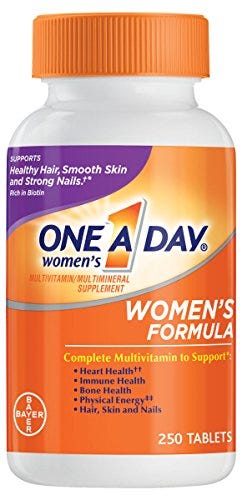
Right off the bat, you should probably look into a multivitamin given that you’re excluding a major food group like grains, says Julie Upton, R.D., cofounder of nutrition website Appetite for Health.


You'll definitely want to make sure that supplement contains folic acid, which helps your body make new cells and is often found in enriched breads, cereals, and other grain products, she says.


One A Day Women's Multivitamin

amazon.com
$13.74


Cutting carbs can also make you a bit deficient in other vitamins and minerals—specifically chromium, B5 (pantothenic acid), B7 (biotin), and calcium. "People can become deficient in these vitamins and minerals because they are found in grains and, if you're going keto, that usually means very low carbohydrate," says Scott Keatley, R.D., of Keatley Medical Nutrition Therapy.


It might also be helpful to supplement your keto diet with electrolytes—like sodium and potassium—during the first few weeks (when you're trying to get into ketosis) to help you ride out the keto flu (which makes you feel run-down and crappy), says Beth Warren, R.D., founder of Beth Warren Nutrition and author of Secrets of a Kosher Girl.


Water weight tends to go first on the keto diet—and quickly—so it's easy to become dehydrated during that keto flu phase, she says—that's why electrolytes are necessary.“You can add electrolyte powder and tablets to water for an added boost,” she says.


Other than that, the type of supplement you should take really kind of depends on what you’re eating as part of your overall diet, Warren says. “For example, if you don’t eat fish, an omega-3 supplement would be a good idea for anyone,” she says.


Are there any supplements I should steer clear of on keto?


Advertisement - Continue Reading Below


Gummy vitamins. Yes, they're delicious, but you’ll want to take a pass on them on the keto diet since they’re packed with sugar (a.k.a. carbs). "They are usually made with glucose syrup and sucrose," Keatley says. "The amounts are small and will not take you out of ketosis, but I'd rather see you spend those carbohydrate calories on green leafy vegetables or whole grains."


Instead, look for a supplement in a pill, powder, or drop form, make sure it doesn’t have additives, and try to buy from a trusted brand, Warren says.


,https://www.womenshealthmag.com/weight-loss/a23644319/keto-diet-supplements/ http://weightless.site/should-you-take-supplements-on-the-keto-diet/
0

Breathe into sun salutations, 8 kinds of yoga at Tennessee Yoga Festival in Hendersonville


quick weight loss program, what can i do to lose weight fast, help me lose weight fast, lose weight fast and easy, what to do to lose weight fast, help lose weight fast, quick weight loss tricks, lose weight very fast, lose weight fast and safe, diet and weight loss, how to lose your weight, lose weight really fast, what's the best way to lose weight fast,  how to lose weight safely, lose your weight, fast effective weight loss, healthy way to lose weight fast, extreme weight loss methods, quickest way to lose weight fast,what can you take to lose weight fast, how to really lose weight, diet tips for fast weight loss, diet tips for fast weight loss, fastest weight loss method, need to lose weight quickly,


Sumner County Tourism, along with Rommy Kirby, owner of My Hot Yoga Place of Hendersonville, announce the first Tennessee Yoga Festival to be held on the grounds of Historic Rock Castle on Sunday, Oct. 14 from 11 a.m.-5 p.m.

This event is presented by Salt MedSpa of Hendersonville, who will be on-site at the event offering mini massage sessions and to discuss the ways they can help festival-goers meet their mission of helping the public "Breath Well, Look Well, and Feel Well," through their variety of services. They will also be selling aroma therapy products, skin care products, and more.

The schedule of events includes six 40-minute sessions of yoga classes open to all skill levels led by teachers instructing from the Nashville Show Truck stage. The day begins with a Super Beginners Yoga class, followed by Sweet Vinyasa Yoga, Trauma-Conscious Yoga, Beginners Plus Yoga, Yoga Express, and the event closes with an All Level Slow Flow & Guided Relaxation with drum circle and flute accompaniment.

Also at the event, shorter 20-minute workshops will be offered including Buti Yoga, Belly Dancing with Tula Tribe, Qigong, Kids Yoga, Tai Chi, and Chair Yoga (limit 10 people for Chair Yoga).

The first 50 paying customers at the Tennessee Yoga Festival will receive a complimentary ticket to a session of goat yoga led by Shenanigoats of Nashville. Goat yoga is sweeping the nation and it allows yogis to experience the joy and laughter of yoga practice alongside curious and sometimes rambunctious goats! Goat yoga is not included with general admission and only guests with complimentary tickets will be allowed to participate. Tickets cannot be redeemed at a later date and must be used at the time listed on the ticket.

Live musical entertainment will be provided intermittently throughout the day by award-winning musician Gareth Laffely of Gallatin. Laffely is widely recognized for his talents on the Native American flute, as a songwriter, and as a producer. Thomas Orr Anderson will also lead a drum circle at 2:40 p.m. and guests of the festival are welcome to participate. Both Laffely and Anderson will lend their talents to the final yoga session of the day.

Two food trucks, Don Miguel Juicery + Rustic Kitchen and Rakka & Roll of Hendersonville's Café Rakka, will provide guests with food options for an additional fee. Don Miguel serves a healthy, delicious Baja Coastal menu with a variety of options including wraps, salads, Acai bowls, fresh juices, and smoothies. Rakka & Roll dishes up fresh Mediterranean food made from scratch. The menu boasts no MSG and is prepared with olive oil, creating foods that not only taste exceptional but promotes healthy living. Guests aged 21 and older can also relax with a local craft brew for sale from Half Batch Brewing of Hendersonville.

Supporting sponsor of the Tennessee Yoga Festival, Juice Bar of Hendersonville, will have a booth at the event selling juice and vitamin shots, T-shirts, and bottled water.  Other vendors available for guests to interact with include: My Hot Yoga Place selling essential oils, yoga mats, towels, and shirts, Kela Smith, Health & Life Coach promoting health and fitness support, Smirk Ice Cream, recognized for their fruit-sweetened ice cream that has no artificial ingredients or sweeteners, and is both gluten- and dairy-free, Scent of the Sun Soap selling handcrafted soaps, lotions, and bathbombs, and Go with the Flow Yoga.

Tickets are $10 per person and kids under 12 are free. Tickets are available the day of the event at the gate via cash or card (cash preferred). Gates open at 10:30 a.m.


, https://www.tennessean.com/story/news/local/sumner/2018/10/08/tennessee-yoga-festival-celebrates-8-kinds-yoga-hendersonville/1564481002/ http://weightless.site/breathe-into-sun-salutations-8-kinds-of-yoga-at-tennessee-yoga-festival-in-hendersonville/
0

Weight loss diet: The 5 best Keto supplements for burning belly fat and reducing overall body weight


Keto supplements for weight loss | Photo Credit:Thinkstock


New Delhi: Turns out, keto supplements are increasingly taking the fitness world by storm because they can maximise your results by increasing weight loss and energy levels. Now, an animal study has found that taking ketone supplements is more effective than eating a keto diet for burning fat and reducing body weight. The research published in The FASEB Journal showed that obese mice fed ketone supplements lost more weight and body fat than those given a low- carbohydrate and high-fat ketogenic diet.

The researchers observed that the mice in the group that received ketone supplements experienced greater weight loss than the animals in the third group that received similar caloric intake. Latest findings on ketones could have vital implications for an alternative to low-carb and high-fat keto diets to help you lose weight and reduce body fat, including that stubborn belly fat. Read - Keto diet for weight loss: Is the low-carb ketogenic eating plan safe for you?

Best Keto supplements for weight loss


The good thing is that there are supplements that can help reduce the adverse effects of a specific diet on the human body. For instance, adopting a keto diet involves cutting out on a number of food options, hence, supplementing with certain nutrients may reduce the symptoms of the dreaded keto flu, making the transition to this way of eating easier. Here are the five best keto supplements for weight loss.

Magnesium


People following a ketogenic diet may be at a higher risk of developing magnesium deficiency. This can happen because many magnesium-rich foods are high in carbs, which is usually a no-go on the keto diet. Hence, taking magnesium supplement or increasing intake of low-carb, magnesium-rich foods can help you meet your daily requirements and reduce symptoms like a muscle cramp, difficulty sleeping, and irritability. Magnesium is a vital mineral for your brain and the body. Read - Weight loss: 5 best protein powders that will help you lose weight and flatten your tummy

Omega-3 fatty acid


Taking omega-3 fatty acid supplements can benefit your health in many ways, particularly when following a high-fat keto diet. This can help ensure a healthy omega-3s to omega-6s ratio, reducing the risk of heart disease and inflammation. Most Western diets tend to be high in omega-6 fatty acids and an imbalance of omega-3s to omega-6s can cause inflammation in the body. Eating more fatty fish like salmon, sardines can help increase your omega-3s intake.

Vitamin D


Vitamin D is essential for many bodily functions, including facilitating the absorption of nutrients that promote weight loss. Research has shown that taking vitamin D supplements might help people lose weight. Read - Weight loss: Importance of pre-workout meal, 11 foods to eat before exercise to burn belly fat & gain muscle

MCT oil


Medium-chain triglycerides, or MCTs, are a type of fat that gets digested quickly and can help ketogenic dieters boost fat intake and stay in ketosis. Studies suggest that supplementing with MCT oil can help promote weight loss and boost feelings of fullness. Hence, MCT oil can be a great weight loss tool for those following a keto diet. Read - Weight loss and crash diets: Beware, yo-yo dieting can give you belly fat - use these 6 tips to lose weight

Greens powder


Including greens powder in your supplement regimen is an excellent way to boost your intake of nutrient-dense vegetable. Most greens powders come with a mixture of powdered plant-based nutrients from spinach, spirulina, chlorella, broccoli, wheatgrass and more that are all beneficial for health. Adding greens powder to your drinks, shakes, and smoothies is a good way to help optimise nutrition and promote fat loss, especially when on a keto diet.

Note: All content, including tips and suggestions, is purely for general information purposes only and should not be construed as professional medical advice. Always consult your doctor or a dietician before making any changes to your diet.


,https://www.timesnownews.com/health/article/weight-loss-diet-the-5-best-ketone-supplements-for-burning-belly-fat-and-reducing-overall-body-weight/295854 http://weightless.site/weight-loss-diet-the-5-best-keto-supplements-for-burning-belly-fat-and-reducing-overall-body-weight/
0

Nia Jax Talks NXT Coaches Reaction To Her Wanting To Lose Weight And Look Like The Other Women


Nia Jax was a recent guest on 101WKQX to promote the upcoming Raw event in Chicago, Illinois. Jax stated her favorite person to travel with is Paige, but they do not travel anymore due to being on separate brands. She also stated that she sees herself as a singles competitor, so she does not have much interest in the tag team division if a championship was to become active.

Jax was asked on her dream opponent(s) would be at the upcoming Evolution pay-per-view, and she initially proposed a tag team match.

"It's always been a dream of mine since I came to the WWE is to team up with my cousin Tamina, and I thought it would be nothing [but] perfect than to team up with my cousin [verses] Beth Phoenix and Nattie, Natalya," said Jax. "Since they're so close, and I think that would be something a dream of mine to have. But, if I can't team up against Tamina, I would mind facing her because I feel the world would be shocked at what kind of match that her and I could put on for the world to see. I'd be a pretty incredible thing."

quick weight loss program, what can i do to lose weight fast, help me lose weight fast, lose weight fast and easy, what to do to lose weight fast, help lose weight fast, quick weight loss tricks, lose weight very fast, lose weight fast and safe, diet and weight loss, how to lose your weight, lose weight really fast, what's the best way to lose weight fast,  how to lose weight safely, lose your weight, fast effective weight loss, healthy way to lose weight fast, extreme weight loss methods, quickest way to lose weight fast,what can you take to lose weight fast, how to really lose weight, diet tips for fast weight loss, diet tips for fast weight loss, fastest weight loss method, need to lose weight quickly,


Jax and Tamina went face to face at last year's Survivor Series during the Team Raw vs. Team SmackDown Live traditional women's elimination match, which they traded headbutts and Jax was eliminated via countout with the help of Tamina executing a Superfly Splash to her on the outside of the ring. The two were also a part of the first-ever women's Royal Rumble match, but Tamina was eliminated long before Jax's entrance, only lasting for about a minute and a half.

Nia also revealed that she initially wanted to lose weight and be like the rest of the girls, but it was the coaches in NXT who advised her against doing that.

"The reason why we wanted you and the reason that makes you so special is that you are bigger than everybody; that makes you stand out above the rest, and it actually helps the dynamic of matches out here," the coaches told Jax. "It's something that people have never seen."

Source: 101WKQX


,2018-10-07 15:11:00, , https://www.wrestlinginc.com/news/2018/10/nia-jax-talks-nxt-coaches-reaction-to-her-wanting-to-lose-646508/ http://weightless.site/nia-jax-talks-nxt-coaches-reaction-to-her-wanting-to-lose-weight-and-look-like-the-other-women/
0

Weight loss: This is the best time to eat breakfast to help you lose weight


Weight loss can be kickstarted as soon as you wake up and getting the timings of breakfast wrong could be derailing diet efforts.

Breakfast is an essential part of a healthy lifestyle - with numerous studies proving that skipping the meal is a mistake.

But it's not just what you eat at breakfast that can boost weight loss but also when you eat it - timing is key.

In order to get the most out a diet plan, be sure to at breakfast within one hour of waking up in order to maintain your circadian rhythm and boost your metabolism.


Studies have shown eating breakfast early can prolong time between meals, meaning hunger strikes later in the day and cutting out snack temptations.

Hopefully, this means dieters won’t go on to make bad eating choices for lunch and dinner.

A study from the University of Illinois at Chicago and published in the journal Diabetic Medicine showed that people who had type two diabetes were more likely to have a higher BMI if they eat breakfast later.

Participants who ate breakfast between 7.30am and 9am had a lower BMI by 0.37 kg/m2.

Dieters wanting to slim down should also be aware of eating enough protein at breakfast, no matter how tempting is it to just eat toast.

"Eating a breakfast rich in protein significantly improves appetite control and may help women to avoid overeating later in the day,” Kevin C. Maki, a lead researcher in a University of Missouri, Columbia weight loss study said.


People who eat protein-rich breakfasts tend to have improved appetite ratings, the study found.

This means lower hunger, more fullness and less desire to eat - all important for weight loss.

Getting enough protein in your breakfast also means you’ll eat fewer calories at lunch.

Tricking your brain into feeling full is another top tip for boosting weight loss.

Research has shown by opting for cereals with a larger flake size you will consume fewer calories and are thereby more likely to lose weight.


A study at Penn State showed people eat more breakfast cereal by weight when flake size is reduced.

They observed when flakes are reduced by crushing, people pour a smaller volume of cereal into their bowls, but still take a greater amount by weight and calories.

In short, it’s easy to underestimate how many calories you are eating when you pour a smaller-flake cereal into a bowl.

However, if you eat a cereal with bigger flakes you’ll eat less cereal by weight and consume fewer calories without even noticing.

By reducing your calorie intake in this nifty way you’ll be off to a healthy, weight-loss-promoting start before the day even really begins.

Make sure to get portion sizes right, too. According to cereal brand Nestle, adults should be eating between 30 and 45 grams of cereal.


, https://www.express.co.uk/life-style/diets/1024486/weight-loss-diet-breakfast-healthy-best-time-eat http://weightless.site/weight-loss-this-is-the-best-time-to-eat-breakfast-to-help-you-lose-weight/
0

Why are so many Canadians obese? 'There's not an epidemic loss of willpower'


Losing weight or living a healthy life is not about willpower, says Ian Patton.

“If I’m being blunt about it, that’s just a really uneducated, ignorant view of it.”

The 33-year-old has lived most of his life with obesity. Although he was always very active in school sports and a university-level wrestler, what helped him reach his health goals in the end wasn’t exercising more or eating less – it was gastric bypass surgery.

“If you look at how prevalent weight issues are, everyone knows someone who’s had some sort of issue with their weight, gained weight, lost weight, gained it back, struggled with it,” he said.

More than five million Canadians are living with obesity, according to the 2014 Canadian Community Health Survey.
“I would have a hard time suggesting that five million Canadians have an issue with willpower. There’s not an epidemic loss of willpower.”

At a time when there’s never been more information about how to live a healthy lifestyle, Canadian obesity rates are twice as high as they were in the 1970s and Canadians are also increasingly suffering from chronic diseases like hypertension and diabetes. Global News is looking at what’s going on, and why knowledge isn’t enough.


Click here to view data »


Most Canadians believe that people are responsible for maintaining their own healthy weight, however. According to an Ipsos poll conducted exclusively for Global News, 93 per cent of Canadians think so. In Alberta, a full 100 per cent of poll respondents shared this view.

But the reality is more complicated, say experts.

The biology of weight loss


“One of the most common misconceptions about body weight is that it is something that you should be able to fully control,” said Dr. Arya Sharma, scientific director of Obesity Canada and a professor in the faculty of medicine at the University of Alberta.


READ MORE:
Here’s why Canada gets a failing grade in treating the obesity epidemic


But if you’re trying to lose weight, your body fights you every step of the way, he said. Once your body recognizes that it’s losing weight, it will make you hungrier, it will make you crave calorie-dense foods, it may slow your metabolism so you burn fewer calories and it will resist exercise that’s not necessary for survival.

Imagine taking someone with that biology and putting them in an environment in which it’s easy to overeat and easy to avoid exercise, and then asking them to lose weight.
“You’re really asking them to go against their nature.”

Obesity is a chronic disease, Sharma said, and it doesn’t disappear if someone loses weight. “It’s like diabetes. It’s like hypertension. Once people have the problem, we can talk about treatments but whatever that treatment is going to be, whether it’s diet and exercise, or medication, or surgery, it’s got to be a treatment that people can stay on and stay on for life.”

“Because once you have obesity, it’s not going to go away.”

Making a change


Patton chose a drastic, lifelong treatment for his obesity: surgery to permanently reduce his stomach capacity. He made that choice after his son was born, he said.

“As I was having him, it was kind of that ‘aha’ moment. Where I need to get something under control.”
“I was waking up in the morning and I felt like the weight was sucking the life out of me. I felt like I was dying. Any day could have been the day that the weight killed me.”

So, he went to the doctor. But because of his academic research and work with Obesity Canada, he knew that gastric bypass surgery was an option for him.

“You hear people say that you could just eat less, go on a diet and move more,” Patton said. “Well, I had done that all throughout this. I had lost 50, 60 pounds on more than one occasion. I had done all that. I knew all about diet and exercise and it still wasn’t working and it wasn’t enough.”


Ian Patton with his family. He underwent bariatric surgery to lose weight.

Courtesy, Ian Patton


At his maximum, Patton estimates he weighed around 360 or 370 pounds. Now, after the surgery three years ago, he’s not sure. He no longer weighs himself, instead measuring his health by how he feels.

“Since then I am no longer hypertensive, no longer have the sleep apnea. I am very active and healthy with my family. Better father, better employee, better at everything I do.”


READ MORE:
Obesity linked to brain and genes, says Montreal researcher


Sandra Elia also changed her relationship with food. Growing up in an occasionally violent, traumatic home, “It was taught to me at a very early age that food wasn’t necessarily for nourishment. It was comfort, escape, love.”

She was obsessed with weighing herself, she said, and was constantly trying diets. “My motto is if I want to gain weight I go on a diet. Because for a decade, that’s what was proven to me.”


Sandra Elia in her twenties, before her weight loss.

Courtesy, Sandra Elia


After all the diets, she felt like a failure. “Because when you try and you want something so desperately for so long and you’ve tried everything and nothing works, you kind of adopt this idea that you must be a failure.”

It was when she stopped caring that she started to successfully treat her obesity. “I put the scale away and to this day I don’t know what I weigh.”
“My weight is none of my business. My business is to eat whole foods and love my body.”

Blame


Elia said she had to change her whole mindset and rearrange her life in order to become healthier. It wasn’t as easy as “eat less, move more.”

“For me, it was always so insulting when my doctor would say that to me. As if I didn’t know.”

Blaming people for their obesity is counterproductive, she said. “We don’t say to alcoholics, ‘I can have a glass of wine and stop. What’s wrong with you?’”

“What we do with people with obesity is we give them many many obstacles, many, many barriers, and we ask them to find their way out of a very difficult environment that we have set up.”
“We put everything against you, now find your way out.”


Sandra Elia at a race finish line, years after she began to lose weight.

Courtesy, Sandra Elia


Patton agrees. Blaming people “doesn’t do us any good. It doesn’t help the people who are trying to lose the weight or manage their weight and be healthy. It makes it worse.”

That doesn’t mean that there is no role for personal responsibility though, he said. Everyone needs to take a role in living a healthy lifestyle. He just doesn’t think it should be the focus. “We need to show a little bit of compassion because those people are struggling and they’re working hard and you don’t know their story.”

WATCH: Obesity Canada’s scientific director Dr. Arya Sharma says that obesity is a lifelong problem requiring lifelong treatment and it is the responsibility of a person to ensure they see a doctor when needed if they want to stay healthy.


Sharma believes that the role for personal responsibility is to be a good patient. “When you’re living with a disease, there’s always things that you’re going to have to do to manage that disease.” This could be making doctors’ appointments, taking the prescribed medication and going for followup appointments.

Unlike someone with heart disease, he said, “In obesity, we put most of the responsibility on the patient.”
“We say this is your fault and you have to do this and you have to do all of it and you have to do it all on your own.”

Patients deserve support and access to treatment, and not to be blamed for their disease, he said.

Exclusive Global News Ipsos polls are protected by copyright. The information and/or data may only be rebroadcast or republished with full and proper credit and attribution to “Global News Ipsos.”

This Ipsos poll on behalf of Global News was an online survey of 1,001 Canadians conducted between Aug. 20-23. The results were weighted to better reflect the composition of the adult Canadian population, according to census data. The precision of Ipsos online polls is measured using a credibility interval. In this case, the poll is considered accurate to within plus or minus 3.5 percentage points, 19 times out of 20.


© 2018 Global News, a division of Corus Entertainment Inc.

, https://globalnews.ca/news/4457730/obesity-willpower/ http://weightless.site/why-are-so-many-canadians-obese-theres-not-an-epidemic-loss-of-willpower/
0

Why are so many Canadians obese? 'There's not an epidemic loss of willpower'


Losing weight or living a healthy life is not about willpower, says Ian Patton.

“If I’m being blunt about it, that’s just a really uneducated, ignorant view of it.”

The 33-year-old has lived most of his life with obesity. Although he was always very active in school sports and a university-level wrestler, what helped him reach his health goals in the end wasn’t exercising more or eating less – it was gastric bypass surgery.

“If you look at how prevalent weight issues are, everyone knows someone who’s had some sort of issue with their weight, gained weight, lost weight, gained it back, struggled with it,” he said.

More than five million Canadians are living with obesity, according to the 2014 Canadian Community Health Survey.
“I would have a hard time suggesting that five million Canadians have an issue with willpower. There’s not an epidemic loss of willpower.”

At a time when there’s never been more information about how to live a healthy lifestyle, Canadian obesity rates are twice as high as they were in the 1970s and Canadians are also increasingly suffering from chronic diseases like hypertension and diabetes. Global News is looking at what’s going on, and why knowledge isn’t enough.


Click here to view data »


Most Canadians believe that people are responsible for maintaining their own healthy weight, however. According to an Ipsos poll conducted exclusively for Global News, 93 per cent of Canadians think so. In Alberta, a full 100 per cent of poll respondents shared this view.

But the reality is more complicated, say experts.

The biology of weight loss


“One of the most common misconceptions about body weight is that it is something that you should be able to fully control,” said Dr. Arya Sharma, scientific director of Obesity Canada and a professor in the faculty of medicine at the University of Alberta.


READ MORE:
Here’s why Canada gets a failing grade in treating the obesity epidemic


But if you’re trying to lose weight, your body fights you every step of the way, he said. Once your body recognizes that it’s losing weight, it will make you hungrier, it will make you crave calorie-dense foods, it may slow your metabolism so you burn fewer calories and it will resist exercise that’s not necessary for survival.

Imagine taking someone with that biology and putting them in an environment in which it’s easy to overeat and easy to avoid exercise, and then asking them to lose weight.
“You’re really asking them to go against their nature.”

Obesity is a chronic disease, Sharma said, and it doesn’t disappear if someone loses weight. “It’s like diabetes. It’s like hypertension. Once people have the problem, we can talk about treatments but whatever that treatment is going to be, whether it’s diet and exercise, or medication, or surgery, it’s got to be a treatment that people can stay on and stay on for life.”

“Because once you have obesity, it’s not going to go away.”

Making a change


Patton chose a drastic, lifelong treatment for his obesity: surgery to permanently reduce his stomach capacity. He made that choice after his son was born, he said.

“As I was having him, it was kind of that ‘aha’ moment. Where I need to get something under control.”
“I was waking up in the morning and I felt like the weight was sucking the life out of me. I felt like I was dying. Any day could have been the day that the weight killed me.”

So, he went to the doctor. But because of his academic research and work with Obesity Canada, he knew that gastric bypass surgery was an option for him.

“You hear people say that you could just eat less, go on a diet and move more,” Patton said. “Well, I had done that all throughout this. I had lost 50, 60 pounds on more than one occasion. I had done all that. I knew all about diet and exercise and it still wasn’t working and it wasn’t enough.”


Ian Patton with his family. He underwent bariatric surgery to lose weight.

Courtesy, Ian Patton


At his maximum, Patton estimates he weighed around 360 or 370 pounds. Now, after the surgery three years ago, he’s not sure. He no longer weighs himself, instead measuring his health by how he feels.

“Since then I am no longer hypertensive, no longer have the sleep apnea. I am very active and healthy with my family. Better father, better employee, better at everything I do.”


READ MORE:
Obesity linked to brain and genes, says Montreal researcher


Sandra Elia also changed her relationship with food. Growing up in an occasionally violent, traumatic home, “It was taught to me at a very early age that food wasn’t necessarily for nourishment. It was comfort, escape, love.”

She was obsessed with weighing herself, she said, and was constantly trying diets. “My motto is if I want to gain weight I go on a diet. Because for a decade, that’s what was proven to me.”


Sandra Elia in her twenties, before her weight loss.

Courtesy, Sandra Elia


After all the diets, she felt like a failure. “Because when you try and you want something so desperately for so long and you’ve tried everything and nothing works, you kind of adopt this idea that you must be a failure.”

It was when she stopped caring that she started to successfully treat her obesity. “I put the scale away and to this day I don’t know what I weigh.”
“My weight is none of my business. My business is to eat whole foods and love my body.”

Blame


Elia said she had to change her whole mindset and rearrange her life in order to become healthier. It wasn’t as easy as “eat less, move more.”

“For me, it was always so insulting when my doctor would say that to me. As if I didn’t know.”

Blaming people for their obesity is counterproductive, she said. “We don’t say to alcoholics, ‘I can have a glass of wine and stop. What’s wrong with you?’”

“What we do with people with obesity is we give them many many obstacles, many, many barriers, and we ask them to find their way out of a very difficult environment that we have set up.”
“We put everything against you, now find your way out.”


Sandra Elia at a race finish line, years after she began to lose weight.

Courtesy, Sandra Elia


Patton agrees. Blaming people “doesn’t do us any good. It doesn’t help the people who are trying to lose the weight or manage their weight and be healthy. It makes it worse.”

That doesn’t mean that there is no role for personal responsibility though, he said. Everyone needs to take a role in living a healthy lifestyle. He just doesn’t think it should be the focus. “We need to show a little bit of compassion because those people are struggling and they’re working hard and you don’t know their story.”

WATCH: Obesity Canada’s scientific director Dr. Arya Sharma says that obesity is a lifelong problem requiring lifelong treatment and it is the responsibility of a person to ensure they see a doctor when needed if they want to stay healthy.


Sharma believes that the role for personal responsibility is to be a good patient. “When you’re living with a disease, there’s always things that you’re going to have to do to manage that disease.” This could be making doctors’ appointments, taking the prescribed medication and going for followup appointments.

Unlike someone with heart disease, he said, “In obesity, we put most of the responsibility on the patient.”
“We say this is your fault and you have to do this and you have to do all of it and you have to do it all on your own.”

Patients deserve support and access to treatment, and not to be blamed for their disease, he said.

Exclusive Global News Ipsos polls are protected by copyright. The information and/or data may only be rebroadcast or republished with full and proper credit and attribution to “Global News Ipsos.”

This Ipsos poll on behalf of Global News was an online survey of 1,001 Canadians conducted between Aug. 20-23. The results were weighted to better reflect the composition of the adult Canadian population, according to census data. The precision of Ipsos online polls is measured using a credibility interval. In this case, the poll is considered accurate to within plus or minus 3.5 percentage points, 19 times out of 20.


© 2018 Global News, a division of Corus Entertainment Inc.

, 2018-09-29 11:01:00, , https://globalnews.ca/news/4457730/obesity-willpower/ http://weightless.site/why-are-so-many-canadians-obese-theres-not-an-epidemic-loss-of-willpower/
0

Doctors on their toes to assist yoga practitioners


Express News Service

THIRUVANANTHAPURAM: Though yoga practitioners rarely complaint of injury during sessions, physical problems may arise especially when postures are not done correctly. Lest something of that kind happens, a group of doctors from the General Hospital, Thiruvananthapuram, are camping at the 8th Asian Sports Yoga Championship to provide medical assistance to the participants.

“Doctors from the General Hospital will always be available in the sports arena to assist the athletes. Our duty starts at 8 am and goes on until the event is over. Doctors will be working on shifts,” said Unnikrishnan, a physician from General Hospital.

The doctors have been strictly directed to follow a checkup schedule for athletes every day. Unnikrishnan says, “We first check the pulse rate of the participants and give them primary management if they complain of giddiness or any other aches.” In the last two days, four causalities and one serious fracture were reported. Deepthi Grewa, a 30-year-old from New Delhi, participating in the event had a serious fracture the other day when she was practising an asana. Problems like hypotension and low blood pressure were also reported.  “Primary management was given to her but as she complained of giddiness so was rushed to the Medical College,” said the doctor.

Physiotherapists have also been appointed to give medical assistance. One ankle fracture was reported during the yoga sessions and the participant was immediately given first aid and later rushed to the hospital. About 10 students from Lakshmibai National College of Physical Education, along with two teachers will assist the participants.

Special diet

Attending yoga with a full belly can cause stomach problems, including gurgling. A special diet has to be followed by the athletes so that they can avoid such issues. At the championship, the athletes have to follow a diet which includes fruits. Practising yoga on an empty stomach is alright when you are not performing for long hours. Most of the students who have reported low blood pressure include children aged nine and above.


, http://www.newindianexpress.com/cities/thiruvananthapuram/2018/sep/29/doctors-on-their-toes-to-assist-yoga-practitioners-1878485.html http://weightless.site/doctors-on-their-toes-to-assist-yoga-practitioners/
0

Does Michael Mosley's intermittent fasting diet really work?


Intermittent-fasting advocate Michael Mosley. Photo/Joe Sarah

Like the Mosley intermittent fasting diet, attempts to lose weight by periodically going hungry can often have the opposite effect.

QUESTION: Michael Mosley’s 5:2 intermittent-fasting eating plan is sometimes called a diet. It seems to have some medical support, but I can’t find any serious research on it. Is intermittent fasting likely to follow the same pattern as other energy-restricted diets, as you outlined in the June 16 issue?

ANSWER: Whether you try to reduce your body size through intermittent fasting or a standard energy-restricted diet, the same issue remains – are humans actually able to consciously control their body weight? Weight set-point theory would say no.

Decades of research suggests that although we can lose weight in the short term, it is invariably regained within two to five years, and for as many as half of dieters, more weight is regained than was originally lost.


He points to a 2016 study published in the journal Nutrients that compared intermittent fasting with standard energy-restricted diets and found they were as good as each other at producing weight loss.

The difficulty we have tricking our body into downsizing itself comes down to neuroscience, he writes in his book The Hungry Brain. Weight set-point theory, which explains why repeated dieting is unsuccessful at producing long-term change in body weight or shape, was developed in the 1980s.

The theory supposes that we have an inbuilt control system that dictates how much fat we carry and we can’t consciously or permanently change our weight because our subconscious will drive us to regain it.

Researcher Stephan Guyenet. Photo/Adam Roe

It’s a bit like someone else having the remote control for your television. You can try to manually change channels, but the remote’s invisible force keeps switching it back.

The central controller of our weight is thought to be located in the hypothalamus, which receives feedback from around the body on fat and activity levels. The hypothalamus then influences our eating habits and energy expenditure to maintain our weight set-point.

The controller does this by increasing hunger (as every dieter knows, the more weight they lose, the more persistent hunger becomes), increasing food reward value (making high-energy foods more appealing) and by slowing our metabolic rate. Within days of starting a self-imposed famine, the body adapts to conserve energy by slowing the metabolism down, making weight loss increasingly difficult.

Wellington broadcaster Simon Morton had been on a low-glycaemic diet for the sake of his health. After he did an interview with exercise- and diet-book author Michael Mosley, he decided to try intermittent fasting. “Intermittent fasting was a way of getting the weight down even further.”

However, Morton gave it up within a year after finding hunger was affecting his mood and therefore his family. “It became hard on my family because I would get a bit ‘hangry’.

“It was sort of total irritability associated with feeling hungry that would manifest as grumpiness. This void in my stomach would create a void in my sense of humour and my ability to tolerate things.”

Along with the stomach and other grumbles, hunger can cause loss of energy, lethargy, sleepiness, headaches, light-headedness and difficulty focusing and concentrating.

At a population-health level, the effect of intermittent fasting isn’t known. Fasting proponents espouse its potential for improved glycaemic control and longevity. But the jury is still out over whether it is increasing rates of eating disorders, an unfortunate and not altogether unexpected outcome of many energy-restricted diets.

This article was first published in the September 15, 2018 issue of the New Zealand Listener.


, https://www.noted.co.nz/health/nutrition/michael-mosley-intermittent-fasting-diet-does-it-really-work/ http://weightless.site/does-michael-mosleys-intermittent-fasting-diet-really-work/
0

Low-Carb Diets Like Keto Can Help You Lose Weight Now, But May Harm You Later


Recent studies show that low-carb diets may increase your risk of dying at a younger age. Plant-based diets may be better.


Some experts say drastically restricting carbohydrates for decades can cause serious health problems. They suggest a balanced diet with vegetables and fruits. Getty Images

Many people turn to low-carb, high-fat diets to lose weight and improve their metabolic health.

But recent studies suggest that staying on these diets for years or decades may increase your risk of earlier death.

The researchers point to the importance of eating more plant-based whole foods, including fats and proteins as well as a moderate amount of carbohydrates.

One of these studies, published last month in The Lancet, looked at the eating patterns of more than 15,000 middle-aged Americans, following them for an average of 25 years.

The researchers combined their results with seven other similar studies from around the world — what’s known as a meta-analysis.

They concluded that people who followed a low-carb diet over the course of the study had an increased risk of dying in midlife.

High-carb diets also increased the mortality risk, but not as much.

The lowest mortality was among people who obtained 50 to 55 percent of their energy from carbohydrates — the carb “sweet spot.”

Another study, presented at a European Society of Cardiology meeting last month, showed similar results.

This study found that people who ate the fewest carbohydrates — compared to those who ate the most — had a higher risk of death from any cause, as well as from coronary heart disease, cerebrovascular disease, and cancer.

Dr. Michael Chan, an interventional cardiologist with St. Joseph Hospital in Orange, California, said “the studies were both well-done, and certainly raise some interesting questions about whether there are long-term risks with a low-carb diet.”

Chan was not involved in either of the studies.


People on the keto diet fall far below the carb sweet spot.


They usually get less than 10 percent of their calories from carbohydrates, with 70 to 80 percent coming from fat, and the rest from protein.

Some research has found that people on a low-carb diet lose weight more quickly than those on a low-fat diet. But other studies haven’t found much difference between the two in terms of weight loss.

That suggests that the best way to lose weight and keep it off is to find a healthy diet that you can sustain.

The big question here, though, is whether it’s healthy to stay on a low-carb diet for decades.

Dr. Ethan Weiss, a cardiologist researcher at the University of California, San Francisco, doesn’t think nutritional epidemiology studies, like the one in The Lancet, can answer that question.

One reason is that both of the new studies are observational, not randomized clinical trials.

Chan raised the same concern, saying observational studies “can show an association, but not necessarily that the low-carb diet caused increased mortality.”

People in the study also only reported what they ate twice over 25 years — trying to remember what they ate rather than writing it down in real time.

“We all have an incredibly difficult time recalling what we eat,” said Weiss, adding that food recall surveys are “at best, 50 percent accurate.”

Weiss is an advisor for Virta Health, a company that promotes the use of the keto diet for people with diabetes.

But he’s not the only researcher who questions the usefulness of nutritional epidemiological studies.


Weiss would like to see more randomized controlled trials that compare two diets — such as keto vs. a whole-food, moderate-carb diet.


Chan agrees that more research is needed before we can “draw firm conclusions.”

It may be years, though, before we have the kind of “hard data” that Weiss is looking for.

In the meantime, he has “no problem recommending the keto diet for my patients, friends, family,” he said. “I think it’s a really effective tool for weight loss. Is it the only effective tool for weight loss? Of course not, but I think it’s really powerful.”

If low-carb fits your health goals, it’s best to do it in the healthiest way.

Chan said the American Heart Association recommendations are a good place to start — eat a variety of vegetables and fruits and fiber-rich whole grains, avoid trans and saturated fats, cut back on added sugars in foods and beverages, and use portion control.

Kristin Kirkpatrick, MS, RDN, lead dietitian and manager of Wellness Nutrition Services at the Cleveland Clinic Wellness Institute in Ohio, said the key thing with low-carb diets is what you replace the carbohydrates with.

In the Lancet study, researchers found that people on a low-carb diet who consumed mainly animal-based protein and fats had a higher mortality risk than people who turned to plant-based sources.

They write in the paper that when you cut back on carbohydrates, you can lose many of the nutrients that plants provide, such as branched-chain amino acids, fatty acids, dietary fiber, phytochemicals, vitamins, and minerals.

Chan said this finding “adds support to many of the current recommendations to incorporate more vegetables and plant-based foods into our diets.”

But he added that even here, more research is needed to confirm the findings.

Other studies, though, support the role of plant-based foods in keeping us healthy.

“There are clear studies showing that getting adequate fruits and vegetables in the diet can help in the long run to reduce the risk of chronic disease, inflammation, and cancer,” said Kirkpatrick.

So whatever your diet, eat plenty of vegetables.


For people on a low-carb diet, Kirkpatrick has a few recommendations:


  • Stick with non-starchy vegetables such as spinach, asparagus, cauliflower, and broccoli to avoid extra carbohydrates.

  • Eat as many plant-based proteins as possible, although this can be challenging on a keto diet because beans are high in carbohydrates.

  • If you eat meat, aim for more skinless poultry and fish, which are lower in saturated fats.

  • Eat more monounsaturated — “healthy” — fats such as those from nuts, seeds, and avocado.

  • If you have some carb allowance left over, eat small amounts of berries, which are rich in vitamins and antioxidants.

  • Avoid low-quality foods with added sugars or refined white flours and other non-whole grains.


Weiss, who does a modified keto diet, has had “good results on it, from the standpoint of weight loss.”

He does eat fatty meat from time to time, but he also eats more of the “healthy fats” that Kirkpatrick mentioned.

The restrictive nature of the keto diet, though, has shifted how he thinks about food.

“It’s very hard to maintain a ketogenic diet and eat food that you buy at a restaurant or somewhere outside your house,” said Weiss.

Instead of getting a burrito at a food truck or going to Subway for lunch, he now prepares about 90 percent of his own meals at home.

This is an eating pattern that many other diets call for, from whole foods to anti-inflammatory to vegan.

“I eat a ton of vegetables, and I’ll put salmon or chicken on a salad, with lots of nuts, cheese, avocado, and olive oil,” said Weiss. “Basically, now I know what I’m putting in my body — and it’s all fresh whole food.”

Diet, though, is only one component of healthy living.

“It’s always helpful for patients to focus on ways to improve their diet and exercise habits,” said Chan. “I always emphasize these two as foundational components to good health.”

And “if you are a smoker… quit,” he added.


Low-carb diets can help you lose weight and improve your metabolic health.

But recent studies suggest that, long-term, they may increase your risk of dying younger.

To minimize the potential harms of a low-carb diet, eat high-quality foods, including as many low-starch vegetables and nutrient-dense fruits as your plan allows.


,2018-09-27 21:26:00,,https://www.healthline.com/health-news/those-low-carb-diets-like-keto-may-be-killing-you

http://weightless.site/low-carb-diets-like-keto-can-help-you-lose-weight-now-but-may-harm-you-later/
0
loading...

About

author A website to give informstion on ways to lose unwanted weight off of your body.
Learn More →